

Regeneration from functional losses
Targeted activation of cell repair
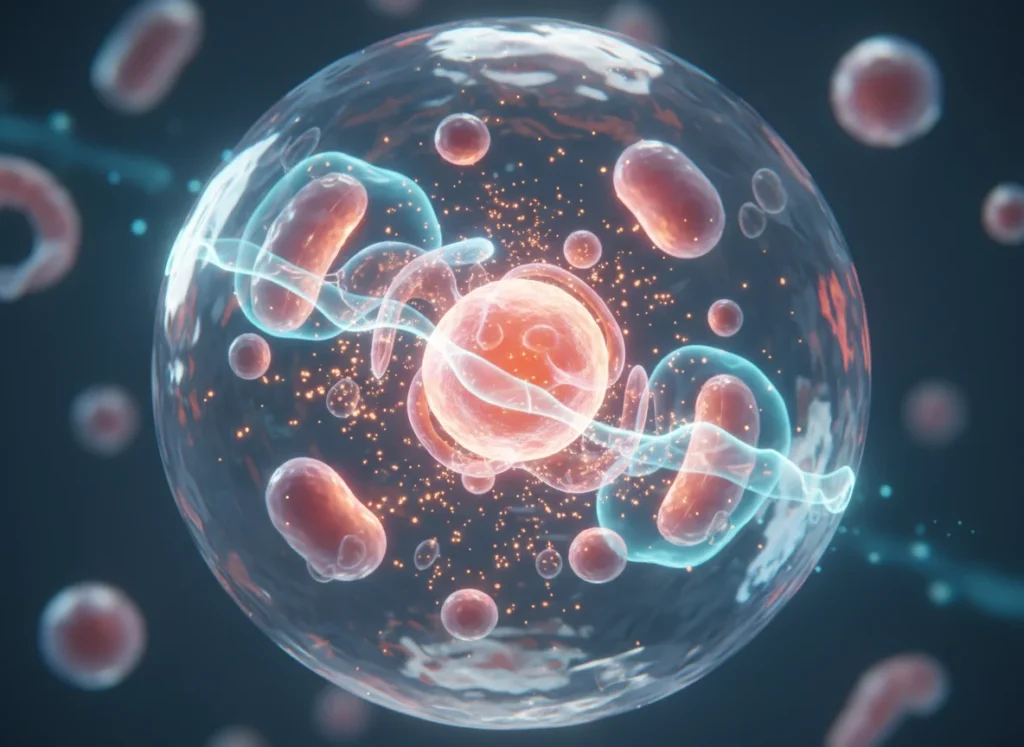
The loss of protein function, and consequently the loss of protein-controlled biochemical processes, can lead to health problems such as:
- Altersbedingten Erkrankungen
- Chronic diseases
High or sustained oxygen consumption can cause damage through oxidative stress, which manifests as health problems due to reduced or impaired protein function. Supporting the regeneration of these protein functions contributes to restoring health.
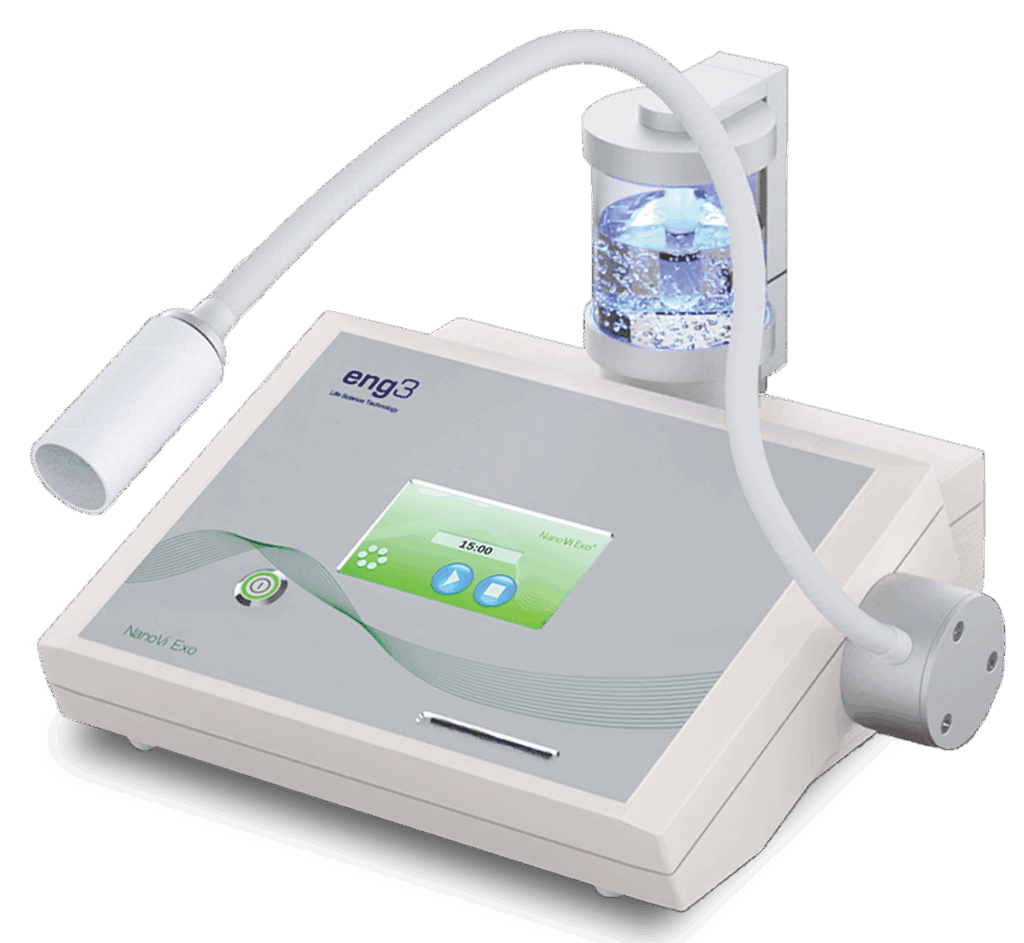
If you’re looking to counteract the effects of an age-related or chronic condition, you’re not alone. More than half of NanoVi® users specifically use the device to support regeneration, and many healthcare professionals also incorporate it into their practices.
Regardless of the condition, oxidative stress exacerbates almost every illness and is even identified as a cause of some diseases. NanoVi® was specifically developed to repair cell damage caused by oxidative stress and promote regeneration.
- Faster recovery of damaged proteins
- Reduced oxidative cell damage
- Strengthened immune system
- Reduced DNA damage
Regenerate faster with NanoVi®
Oxidative stress occurs when the body can no longer keep pace with the repair of damage caused by free radicals. When this stress becomes overwhelming and impairs cell function, chronic diseases often develop.
NanoVi® addresses this very issue: It specifically activates cell repair and helps break the vicious cycle of cell damage and loss of function. This helps maintain or restore well-being and makes a valuable contribution to long-term health.
What users are saying
Dr. Paula Strait
At our clinic, we use functional performance assessments that show not only that people feel better, but also that their performance has improved. Patients often report less pain, better cognitive abilities, and increased well-being, which allows them to be more active. They are able to leave the house, get active, and participate in the life of their community.
Dr. Christian Issels
Kakhaber Chelidze
MD, PhD, Head of the BIOLI Research Group
FAQ
Why is NanoVi treatment helpful for chronic conditions?
Almost all chronic diseases are based on lost protein functions. Since NanoVi supports protein folding, its use is particularly recommended for chronic diseases.
Why is NanoVi helpful for metabolic disorders?
Many diseases are caused by impaired metabolic processes. Metabolic processes are all protein-controlled biochemical processes that are often detected using special diagnostic procedures. When these processes regenerate with the help of protein folding, the improvements can be verified using the same diagnostic procedures.
Why is NanoVi helpful for age-related diseases?
Most age-related diseases are either caused by wear and tear, e.g. on joints, or they are caused by years of damage to proteins, resulting in the loss of protein functions. Protein functions can be restored by supporting regeneration.