



NanoVi® - Research at the Convergence of Biophysics and Health
Why Focusing on Proteins is Paramount
Proteins are the essential building blocks of life. They carry out virtually all cellular processes.
For these proteins to function, they must fold into specific three-dimensional (3D) shapes.
Proteins are often called the “machines of life” because they are essential molecular machines that perform almost all functions in cells. They act as motors, signaling molecules, pumps, transporters, enzymes, and structural components that keep living organisms alive—from muscle movement to DNA replication. Their function depends on their precise shape and movement. They build structures, catalyze reactions, transport substances like oxygen (hemoglobin), fight infections, and even build other protein machines like ribosomes, creating the complex network that controls every organism.
What proteins do:
Movement: Motor proteins make muscles contract, while other proteins power the flagella for cell movement.
Transport & Storage: They transport nutrients (like oxygen) and store vital substances; Membrane proteins pump ions and nutrients into and out of cells.
Mitochondrial machinery: Small proteins assemble the electron transport chain in the mitochondria, thus controlling energy production and the response to cellular needs.
Structure: Proteins form the framework for cells and tissues (e.g., collagen).
Catalysis (enzymes): They accelerate vital chemical reactions, break down food, and create new molecules.
Signaling: They function as hormones and receptors to transmit messages between cells.
Defense: Antibodies (proteins) bind to invaders such as bacteria and neutralize them.
Information processing: Ribosomes, which are made of proteins, produce other proteins according to genetic instructions.
Download the overview as a PDF now:

NanoVi® improves protein activity by supporting the important, fundamental process of protein folding
Water is the most abundant molecule in the body; it surrounds and fills all cells, which contain up to thousands of proteins. An estimated 900,000 differently structured proteins—including enzymes, hormones, antibodies, and more—control virtually all cellular functions. To form a protein, a chain of amino acids must be folded into a three-dimensional structure in a process called protein folding. This fundamental process enables all vital, protein-dependent biological processes. With our patented NanoVi technology, we can specifically support this essential process. With our proven NanoVi technology, we can specifically support this essential process.
The problem: damage caused by oxidative stress
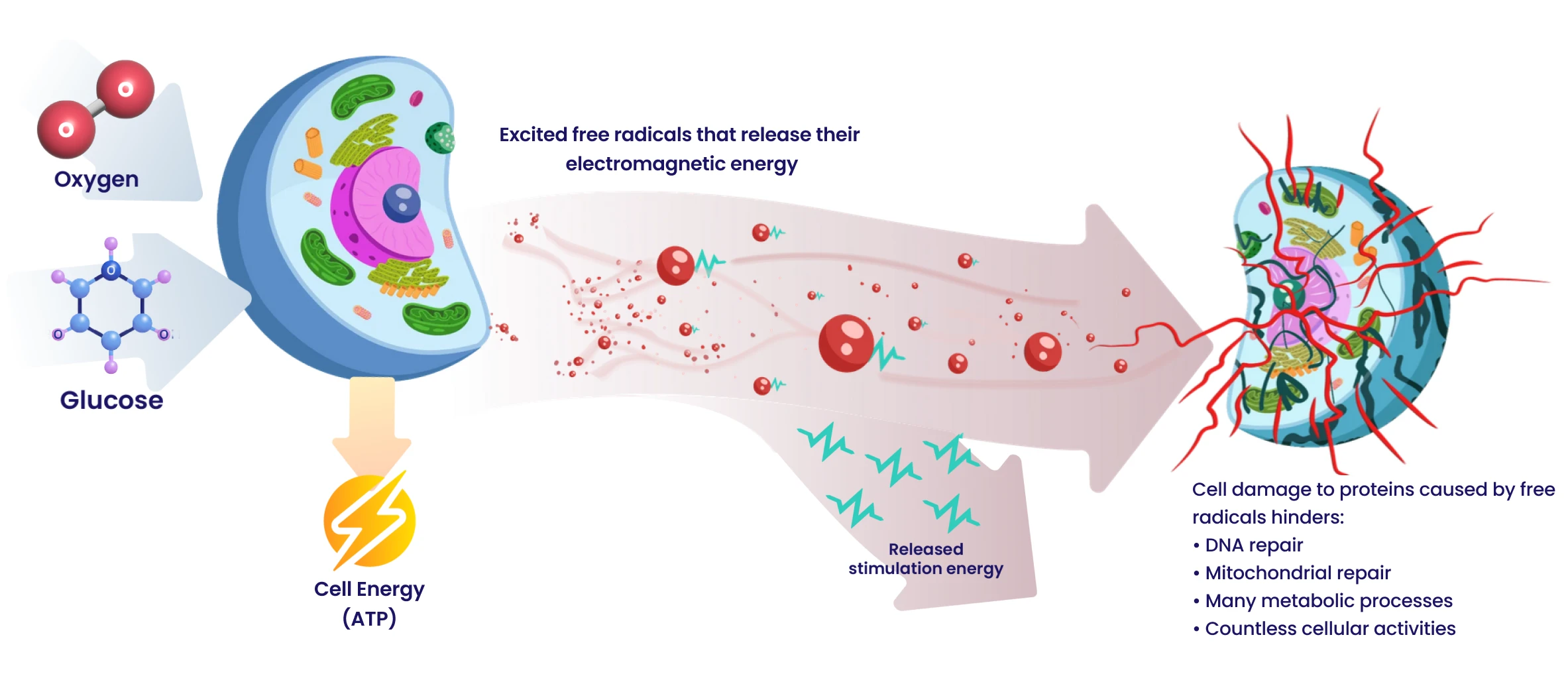
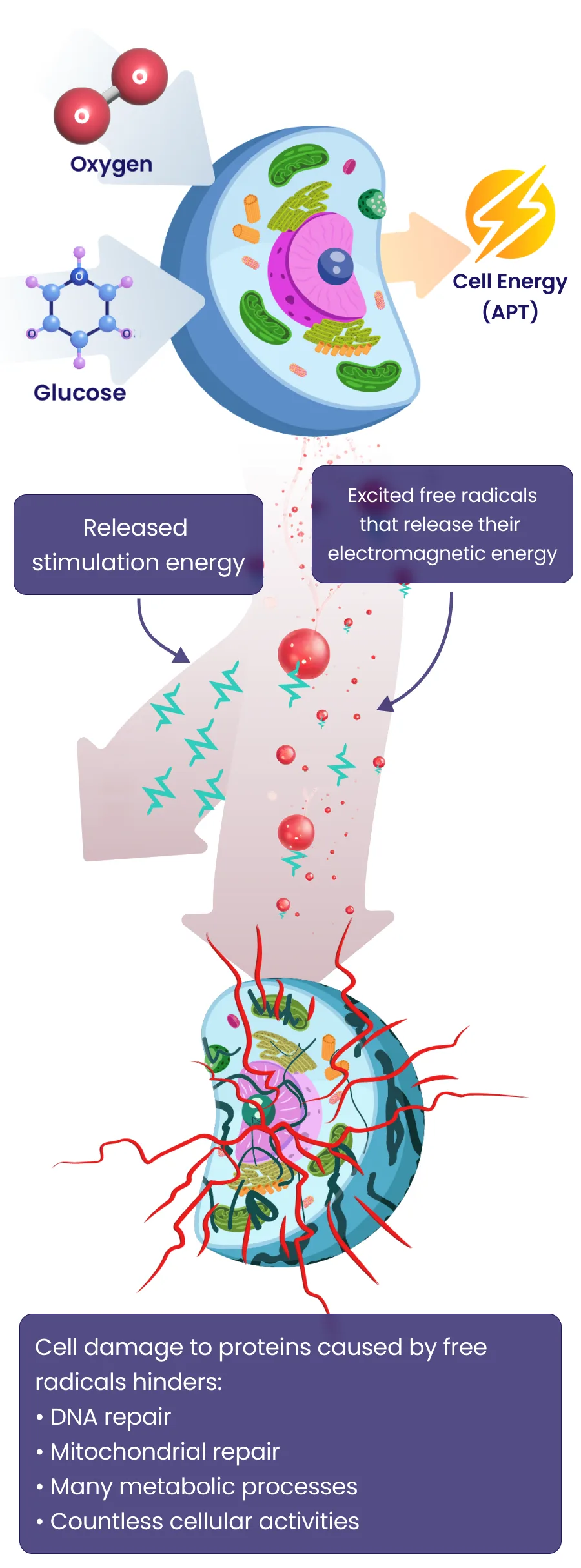


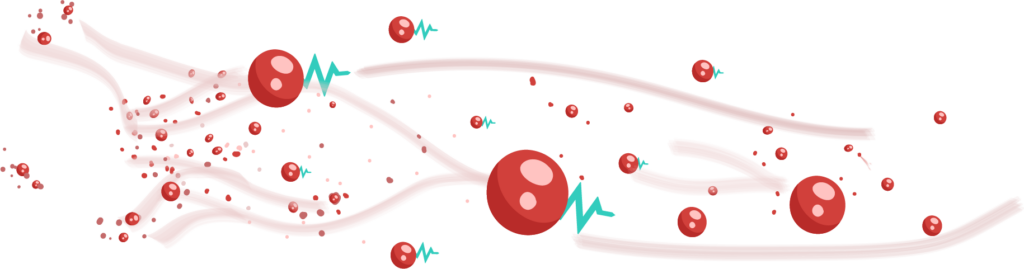
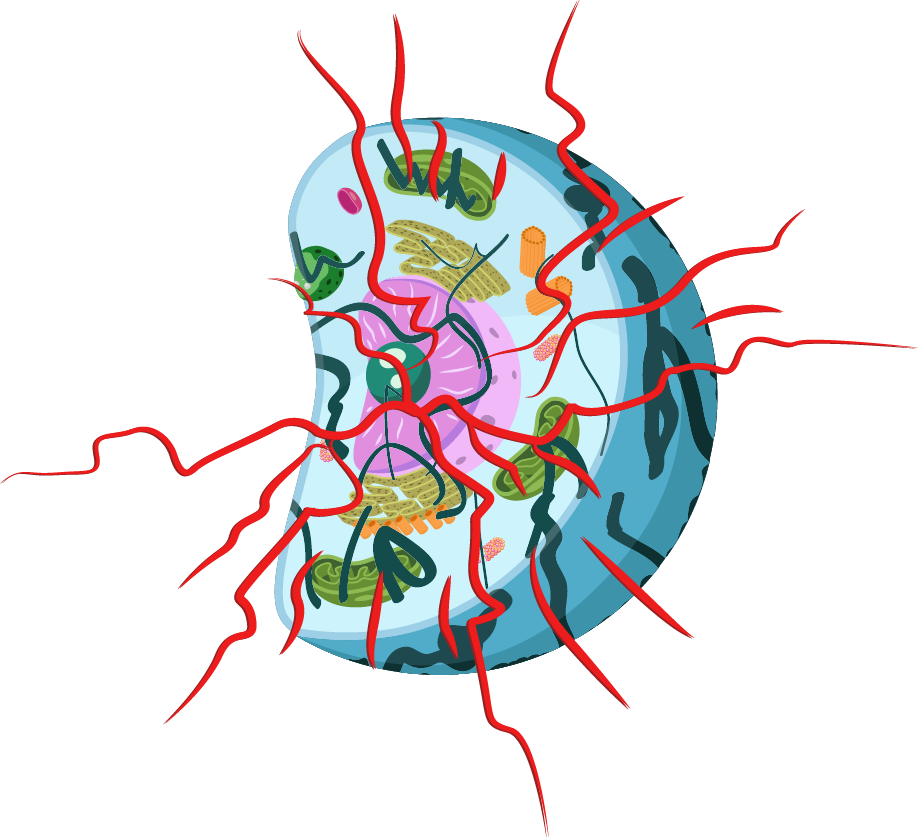
Cell damage to proteins caused by free radicals hinders:
• DNA repair
• Mitochondrial repair
• Many metabolic processes
• Countless cellular activities
Understanding water at the molecular level
By reducing protein damage, cells regain their full repair and regeneration capacity. Restored proteins repair damage caused by oxidative stress, increase mitochondrial ATP production, improve detoxification, and enhance the utilization of oxygen, nutrients, and other ingested substances. Ultimately, restored proteins improve the functions of all cellular processes.
The role of water in protein folding
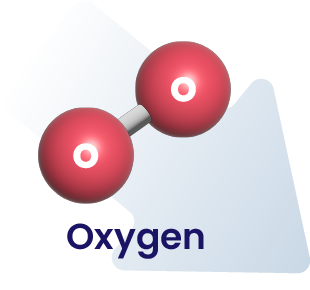
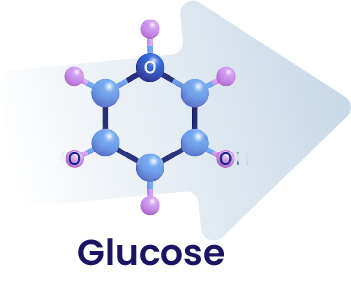
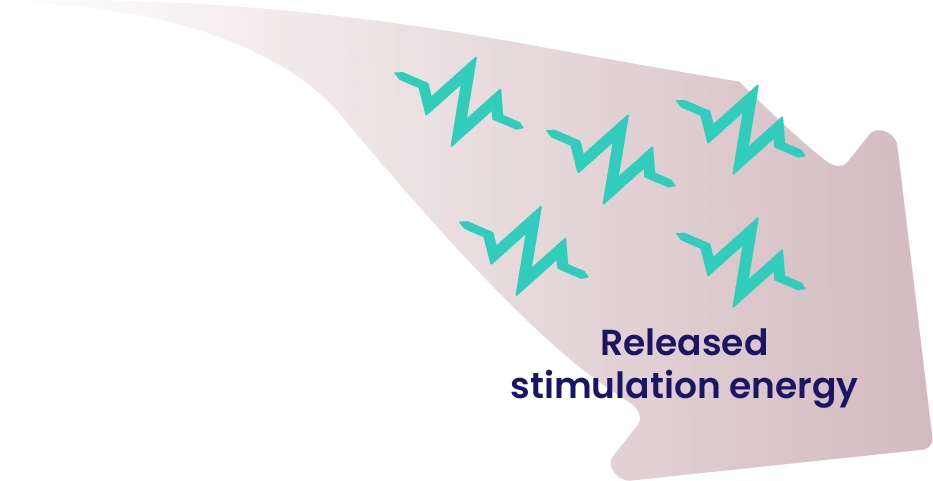
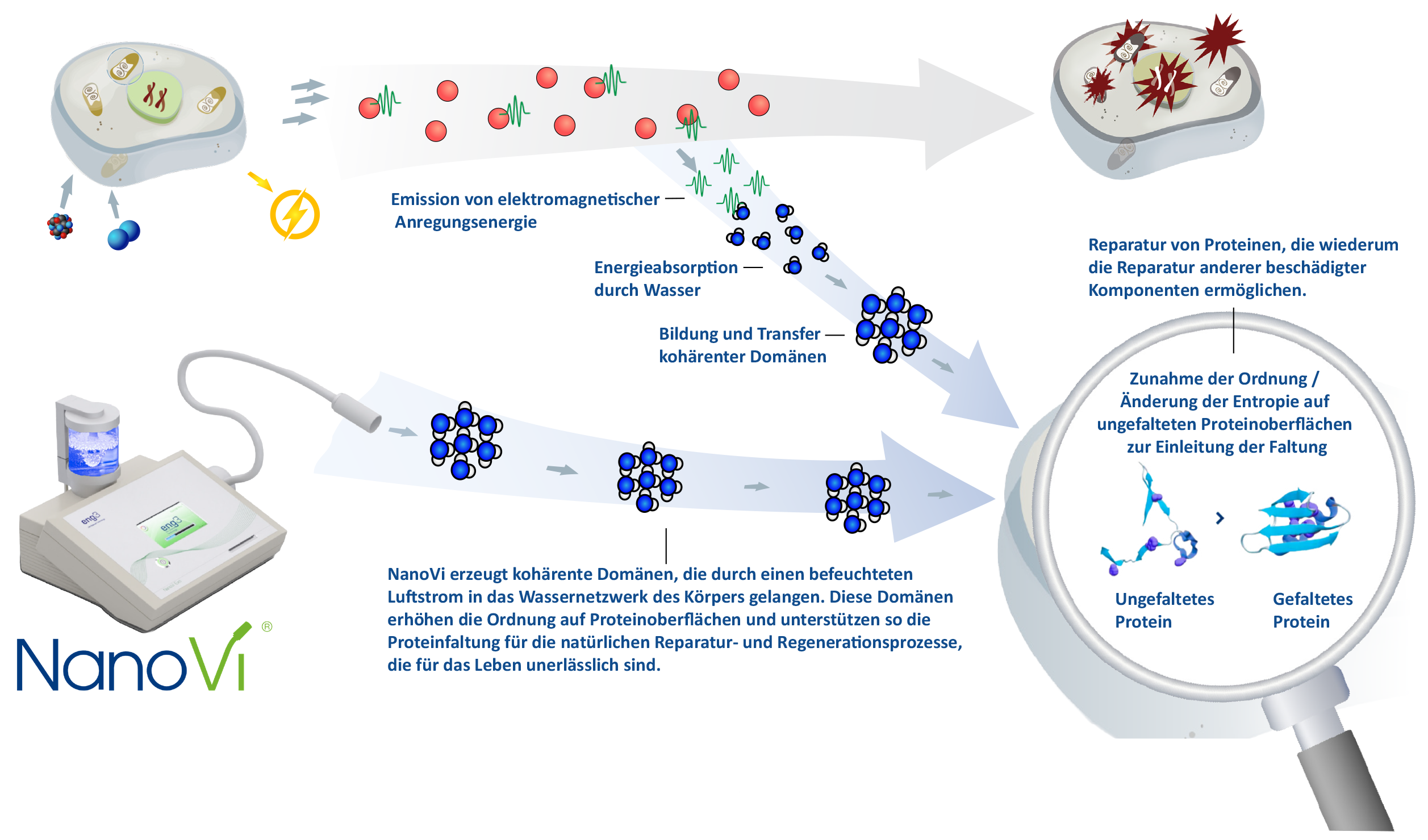
In cell biology, the properties of water—energy absorption, the formation of coherent domains, and surface order—are fundamental to protein folding. The process begins with the release of specific, absorbable electromagnetic energy by excited free radicals. This energy is absorbed by the surrounding water molecules and forms coherent domains, creating a thin layer of more highly ordered water molecules on the surface of unfolded proteins.
Subsequently, the crucial entropy exchange for protein folding takes place. Unfolded proteins exist in a disordered state (high entropy). To fold into a more ordered protein, the unfolded protein must transition to an ordered state (low entropy). The water relinquishes its order, the proteins gain order, fold, and become structured and functional.
The solution: NanoVi® cell regeneration technology
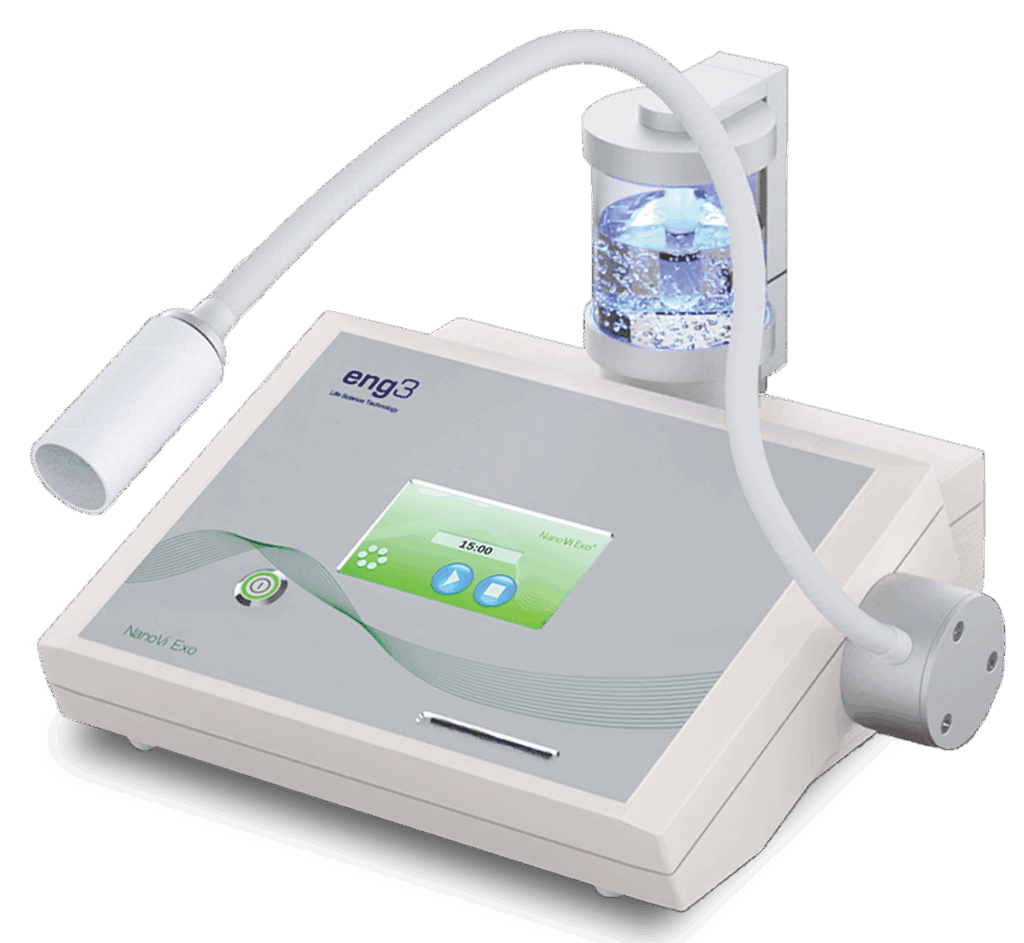
The patented NanoVi® technology emits water-absorbing electromagnetic energies—including those released by free radicals—to generate and deliver coherent domains. These domains require closely spaced water molecules for delivery. The NanoVi® device uses a humidified airflow to deliver these domains to the mucous membranes, from where they disperse throughout the body’s water.
Coherent water domains are essential for the formation of exclusion zones (EZs) on the surface of proteins, which are crucial for protein folding. Therefore, NanoVi® is also referred to as a protein folding support technology.
NanoVi® is manufactured in the USA, is approved as a medical device in several countries, and has met the required independent clinical trials and quality management standards.
The benefits of NanoVi applications: Support for protein folding
Zum Vergrößern das Bild klicken
In the device, various electromagnetic energies are emitted into a humidified air stream, including those emitted by free radicals (and thus bioidentical). The water molecules in this air stream absorb these energies, which then leads to the formation of coherent domains.
When the humidified air stream comes into contact with the mucous membranes of the nose and mouth, the coherent domains are transferred to the body’s own water network and spread further into the cells. This transfer increases the order of the water molecules on the cell surfaces and thus supports protein folding in order to maintain vital protein structures and functions.
Effects and benefits of restored protein functions
By reducing protein damage, cells regain their full repair and regeneration capacity. Restored proteins repair damage caused by oxidative stress, increase mitochondrial ATP production, improve detoxification, and enhance the utilization of oxygen, nutrients, and other ingested substances. Ultimately, restored proteins improve the functions of all cellular processes.
NanoVi for increased performance
To increase physical and mental performance, shorten recovery time, increase endurance and strengthening resilience.
NanoVi for Longevity and Anti-Aging
To preserve physical and mental performance, support recovery time and endurance, and to maintain resilience.
NanoVi for health and regeneration
To regain physical and mental performance, improve recovery time and endurance, and support resilience.